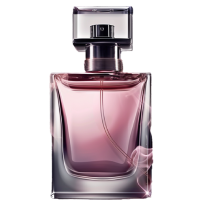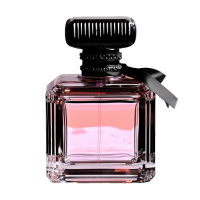

Description
LE HAMMAM
A Moroccan & Tunisian Hammam Spa Experience
◇ ◇ ◇
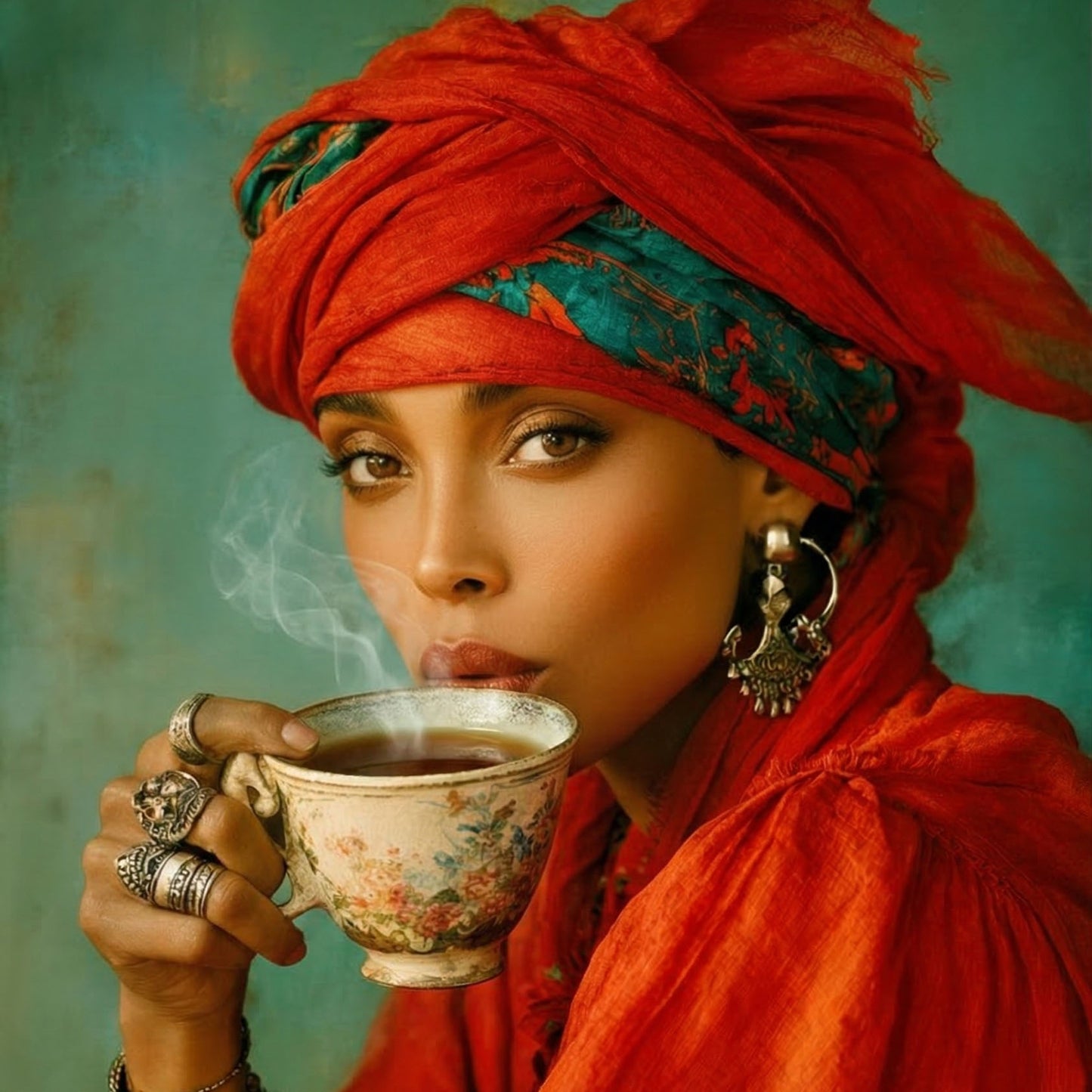
Le Hammam is the moment between the steam and the tea.
Bright bergamot and the honeyed glow of Moroccan orange blossom open like the doors of a Fès courtyard at dawn — the same bitter-sweet nectar gathered by hand for centuries before the heat of the day.
Then comes the tea: authentic Moroccan gunpowder green, its tightly rolled leaves unfurling like a ritual taking its time. It winds through the composition alongside wild basil — not the basil of Italian kitchens, but the sun-baked herb that grows in the cracks of ancient medina walls, grounding everything it touches.
At the heart, Tunisian jasmine absolute blooms slowly, deliberately. This is the jasmine of summer nights in Sidi Bou Said — warm, honeyed, slightly indolic, threaded into garlands by women who have perfumed the air this way for generations.
The dry-down is cool mint and the ghost of eucalyptus steam, the last wisps rising from clean skin as white musk settles into the space the ritual left behind.
This is not a scent that announces itself. It lingers the way a hammam morning stays with you — in your posture, in your calm, in the way you move through the rest of the day like nothing can touch you.
◇ ◇ ◇
Le Hammam (pronounced luh hah-MAHM) is French for "The Bathhouse" — the word hammam itself comes from the Arabic حمّام (ḥammām), meaning "to heat" or "to spread warmth." It refers to the traditional steam bathhouses that have been the center of beauty, community, and ritual cleansing across North Africa and the Middle East for over a thousand years.
In Morocco and Tunisia, the hammam is not a spa — it is a birthright.
For generations, women have gathered in these tiled steam rooms not merely to cleanse, but to slow down, to reconnect, and to practice the kind of beauty that cannot be rushed. The ritual is always the same: steam opens the skin; black soap made from olive oil prepares the body; a rough kessa glove draws out everything that no longer belongs. And then the real work begins, pure argan oil pressed into still-damp skin, orange blossom water misted through the air, and glass after glass of fresh mint tea poured slowly from a silver pot held high.
Every element has meaning. The neroli is gathered in April when the groves around Fès turn white. The jasmine comes from Tunisian women's cooperatives, picked at dawn before the sun steals their scent. The gunpowder tea arrives across routes traveled for centuries. The basil grows wild in courtyard gardens, offered to guests as a symbol of welcome.
This is not about products. It is about presence.
Le Hammam was created to honor that tradition, the sacred pause between the steam and the tea, when your skin is new, when you remember that you belong to yourself, and when the world outside can wait.
◇ ◇ ◇
Notes of Le Hammam
| Top Notes | Moroccan Orange Blossom (Neroli), Bergamot, Fresh Mint |
| Heart Notes | Moroccan Gunpowder Green Tea, Wild Basil, Tunisian Jasmine Absolute |
| Base Notes | Eucalyptus Steam, White Musk, Mineral Accord |
◇ ◇ ◇
For the women who gather. For the rituals that remain. For the thousand years of steam and tea that brought us here.